
Why We’re Drawn to Miniature Spaces
There’s something almost magical about miniature spaces, those tiny rooms, quiet corners, and scaled-down worlds that feel both familiar and dreamlike. Whenever I create a new diorama or photograph a space in 1:6 scale, I’m reminded of how deeply humans connect to miniature worlds. It isn’t just about the craftsmanship or the cuteness (though that certainly helps). It’s about what these spaces allow us to feel, imagine, and remember.
So why are we so drawn to miniature environments? I’ve been exploring that question through my own work, and I’ve come to believe it’s a blend of nostalgia, intimacy, and the timeless desire to shape our surroundings.
Why We’re Drawn to Miniature Spaces
1. Miniatures Let Us Hold Memory in Our Hands
For many of us, small things remind us of childhood, our favorite Barbie playset, tiny dishes in grandma’s curio cabinet, or the ritual of arranging objects in a space that belonged entirely to us. Miniatures activate memory on a sensory level. They feel like stories we once knew, made visible again.
When I create a diorama inspired by the rituals, I watched growing up, my Mama decorating the house, an Aunt caring for her plants, Grandma cooking a Sunday meal, it becomes a way of honoring those memories in a form I can hold, style, and photograph.
Miniatures become a soft archive.
2. Scale Creates Intimacy
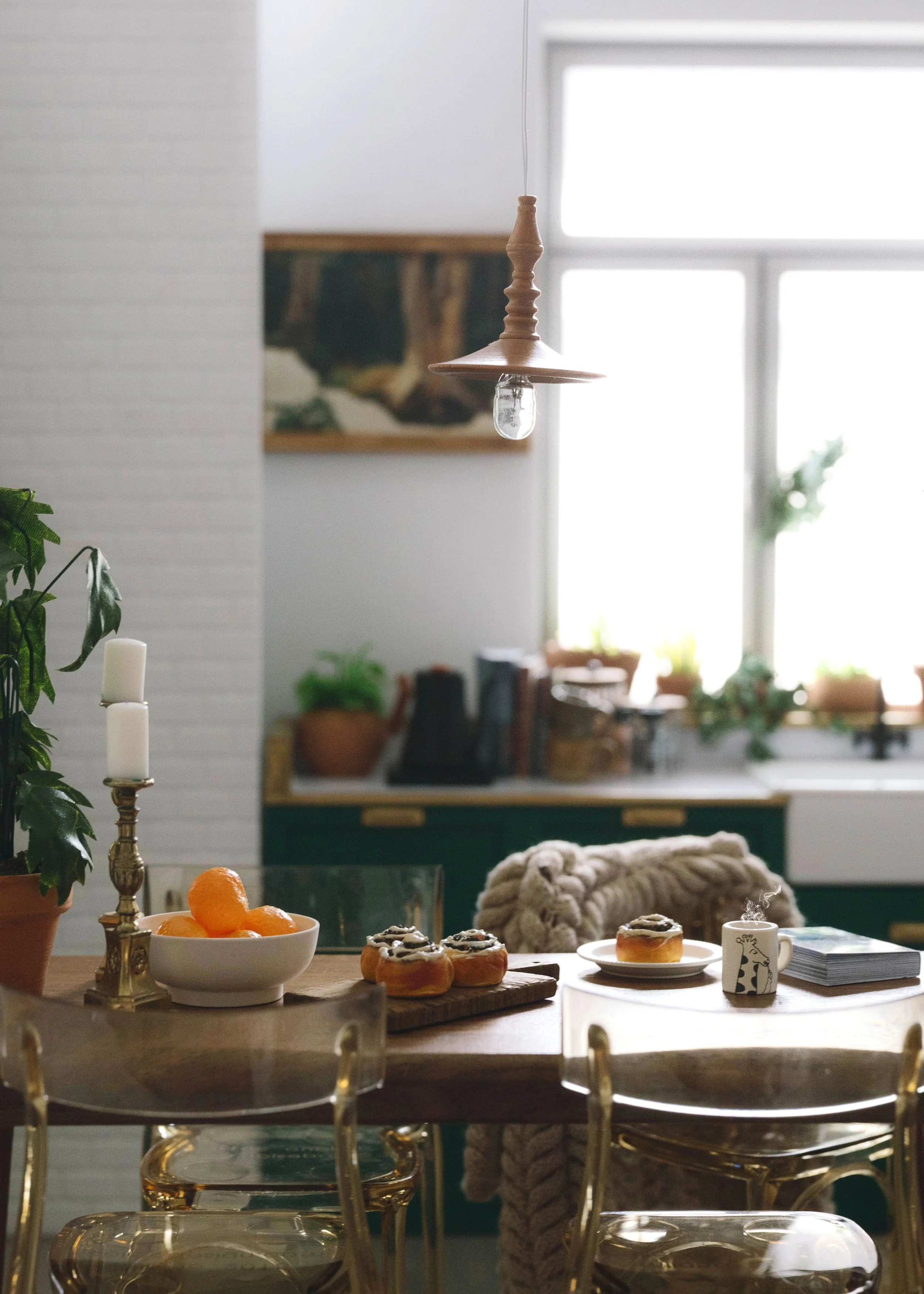
There’s a closeness you feel with miniature spaces that’s hard to replicate in the full-sized world. When a scene is scaled down, every detail becomes intentional. The fold of a blanket, a handmade mug, the way light spills over a rug, it all feels precious and deliberate.
Stepping into a miniature world (even if only through a lens) invites you to slow down and notice the tiny things. It becomes meditation, a way of grounding yourself in small, meaningful details.
3. Tiny Spaces Make Creativity Feel Boundless
At full scale, renovating a room or designing a layout requires money, time, and resources. But in miniature? You can transform a space in a couple of hours. You can build an entire home from your imagination. There’s no limit, only exploration.
This freedom encourages play, experimentation, and a kind of creative risk-taking we don’t always give ourselves permission to try in everyday life. Miniatures remind us that we’re allowed to imagine without boundaries.
4. Miniature Worlds Offer a Sense of Control in a Chaotic World
Let’s be honest: the real world can be overwhelming. But in a small space, things make sense. Rooms stay clean. Light falls exactly where you want it. The story unfolds the way you designed it.
It isn’t about perfection, it’s about the comfort that comes from shaping a world where you choose the mood, the pace, and the feeling. Miniatures give us a gentle form of control that feels calm instead of constricting.
5. Miniature Spaces Create a Bridge Between Art and Emotion
When people look at miniatures, especially diorama photography, they’re not just seeing objects. They’re seeing texture, mood, memory, and atmosphere. Miniature spaces become vessels for emotion.
A plant in a corner becomes a symbol of care.
A shaft of light becomes an entire story about morning quiet.
A chair becomes a seat for someone we might imagine or someone we once knew.
This emotional resonance is why miniature storytelling feels so powerful. It’s not about tiny things; it’s about the feelings they awaken.
6. They Invite Us Into Worlds Where We Can See Ourselves
Miniature spaces aren’t just replicas, they’re reflections. Reflections of the homes we grew up in, the ones we want to create, or the places we escape to in our minds. Whether the diorama is moody, modern, nostalgic, or whimsical, miniature spaces make room for us to enter them emotionally.
Miniatures become mirrors.
In the End, We’re Drawn to What Feels Tender
The deeper I go into my work, from photo zines to calendars to the little stories inside each diorama, the more I realize that miniature spaces speak to the tenderness we all carry. They let us revisit the rituals that shaped us and imagine new rituals for the future. They remind us that small moments are worthy of beauty, attention, and care.
That’s why we come back to miniatures again and again.
Because miniature spaces help us make sense of our own.